Service Overview for Duck Duck Goose Wildlife Control
Successful Wildlife Management: Your Guide to Safe and Humane Animal Management
Successful wildlife regulation is vital for preserving balance between humans and animals. Many communities face difficulties such as rodent infestations and landscape destruction. Tackling these problems requires a balanced approach that prioritizes safety and animal welfare. Learning about preventive measures and compassionate control techniques is essential. How can communities achieve peaceful coexistence while maintaining security? The sections below will outline effective approaches to establish this careful equilibrium.
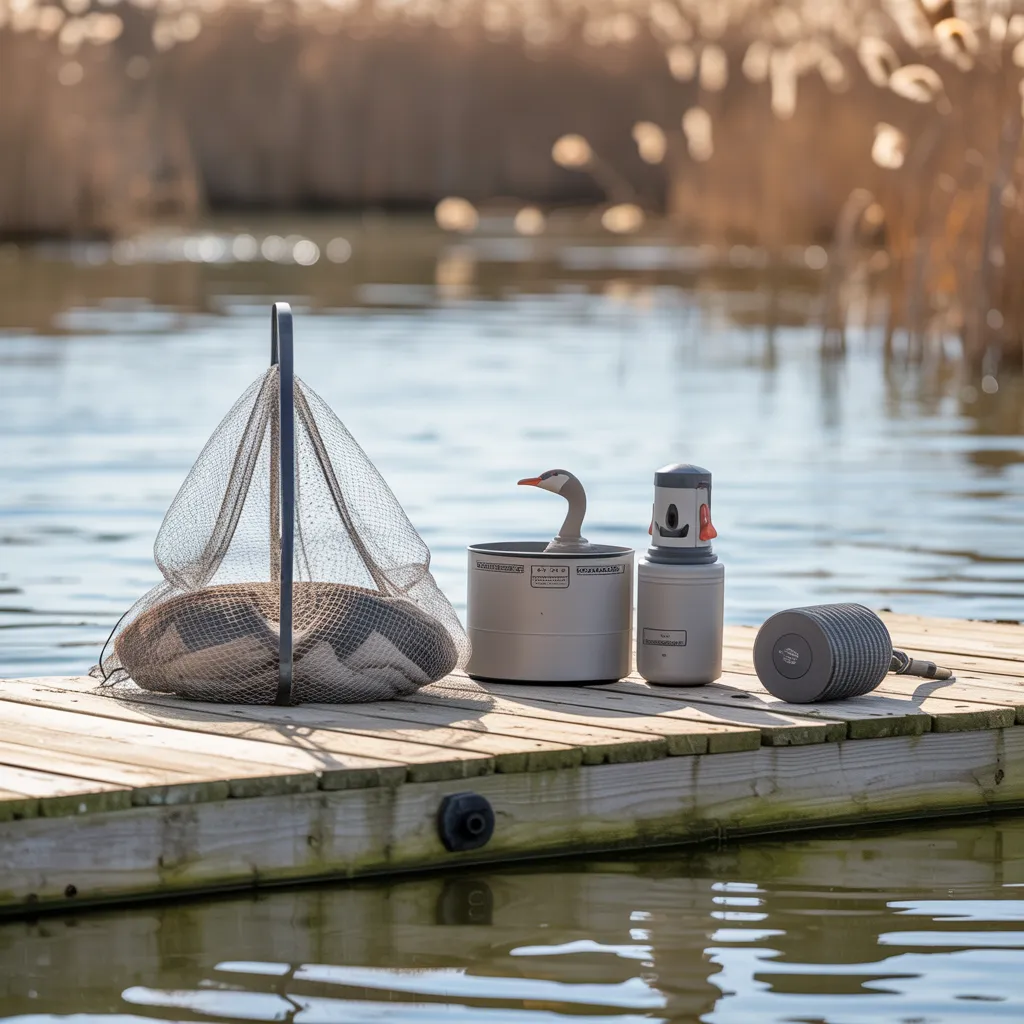
Frequent Wildlife Challenges You Could Experience
Wildlife encounters often cause numerous problems for homeowners and those managing properties. Frequent problems involve invasions of rodents, such as rodents like mice and rats, which can damage property and spread diseases. Squirrels and raccoons may also enter attics and lower levels, leading to property damage and unwanted sounds. In addition, deer regularly cause harm to gardens and outdoor landscapes, while birds frequently generate noise and unsanitary conditions in outdoor areas.
In cities, wild animals may become progressively bold, rooting through waste receptacles and generating unwanted clutter. Snakes may present a danger in residential yards, especially in regions home to venomous varieties. Pests like raccoons and skunks can also be aggressive if cornered. Having these animals nearby can generate safety worries and emotional anxiety for local residents. Understanding these challenges is essential for effective management and ensuring a safe living environment.
Best Methods to Avoid Wildlife Intrusions
Effective prevention strategies can greatly reduce the risk of wildlife invasions in neighborhoods. Homeowners should begin by addressing potential access points, such as gaps in foundations, vents, and attics. Placing secure screens and filling in gaps can prevent animals from taking up residence. In addition, maintaining clean yards free of food sources is critical; this includes placing waste in wildlife-proof bins and quickly removing fallen fruit or pet food. Garden planning also contributes; using native plants that are less appealing to wildlife can minimize attraction. Erecting fences can create a physical boundary, but they must be sufficiently tall and anchored deep to stop animals from digging underneath. Lastly, educating the community about wildlife behaviors helps promote forward-thinking solutions, ensuring that neighbors work together to maintain a wildlife-free environment. By implementing these strategies, homeowners can effectively safeguard their properties from undesirable animal intrusions.
How to Ethically Trap and Relocate Wildlife
Trapping and transporting wildlife necessitates thorough preparation and thought to guarantee the procedure is both humane and efficient. First, it is essential to choose suitable traps crafted specifically for the intended species. These traps should be large enough to accommodate the animal while ensuring its safety and comfort. Placing the right food in the trap will enhance the probability of an effective capture.
Once an animal has been captured in a trap, it is essential to check the trap often to reduce stress and avoid unnecessary harm. Once the animal has been caught, the animal should be relocated quickly to an area that offers adequate habitat and food sources, far from human residences. Adhering to local regulations concerning the relocation of wildlife is necessary, as certain species may be protected or require special permits. Ultimately, adopting a compassionate method supports wildlife welfare and encourages balance between human communities and the surrounding natural world.
Humane Approaches to Discourage Animals
Ethical wildlife relocation commonly creates the need for efficient deterrent strategies to stop animals from coming back to populated spaces. Several methods can be implemented to prevent animals from accessing these locations. The use of natural repellents, such as predator urine or strong-smelling substances like vinegar and garlic, can effectively create an unwelcoming environment. Additionally, physical barriers, including fences and netting, work to block access to garden spaces and other points of interest.
Sound-based repellents, like ultrasonic repellers or motion-triggered gadgets, are often successful at keeping wildlife at bay. Furthermore, keeping outdoor spaces tidy and organized limits available food sources, making the surroundings less inviting for animals. Growing certain plant species that are unappealing to nearby animals may additionally deter them from the area. By adopting these responsible and wildlife-friendly approaches, people can develop surroundings that are less appealing to local wildlife, encouraging harmonious coexistence while safeguarding property and assets.
How to Handle the Situation When You Discover an Injured Animal
When coming across an injured animal, it is vital to first assess the situation to determine the most suitable approach. Observing the animal's circumstances and surroundings can provide valuable information. After this evaluation, connecting with a wildlife rescue organization is vital for adequate support and care.
Evaluate The Situation First
Encountering a wounded animal can be an upsetting situation, so it is essential to thoroughly examine the situation before taking any action. Initially, the individual should watch the animal from a distance, taking note of its condition and behavior. This helps determine whether the animal is actually wounded or simply resting. Following this, assessing the surroundings is essential; recognizing possible hazards, such as passing vehicles or hostile pets, can guide the appropriate next steps. It's important to stay calm, as unexpected movements may alarm the animal and intensify its suffering. Furthermore, taking the time of day into account can impact the urgency of the matter; animals that are active at night may face greater risks after dark. Overall, a careful assessment establishes the foundation for proper intervention.
Connect With A Wildlife Rescue
Upon discovering an injured animal, reaching out to a wildlife rescue organization is a vital step in guaranteeing its safety and care. These organizations have the expertise and resources necessary to evaluate the animal's condition and offer the necessary treatment. When you call, it is essential to share specific information, such as the type of animal, its location, and the injury details. This data enables rescuers to respond appropriately. It is advisable to avoid handling the injured animal unless absolutely necessary, as this can exacerbate its stress or injury. Once you have contacted help, individuals should monitor the animal from a safe distance until rescuers arrive, keeping the environment as undisturbed as possible. Prompt action can greatly increase the animal's chances of recovery.
Local Wildlife Management Resources You Can Trust
When managing wildlife situations, it is important to be aware of reliable resources accessible in the community. Regional wildlife organizations, governmental wildlife services, and pest control experts can provide effective assistance and guidance. Understanding these options can help guarantee the most favorable outcomes for both residents and wildlife.
Local Wildlife Groups
Local wildlife organizations function as vital assets for people looking for reliable wildlife control solutions. Such organizations frequently emphasize learning and promotion, promoting humane methods for managing wildlife conflicts. They provide valuable information on regional animals, their tendencies, and proven repellents, enabling homeowners to choose wisely. Many organizations also offer workshops, training sessions, and materials that emphasize coexistence with wildlife, nurturing a broader appreciation for surrounding natural environments. Moreover, they often support full article local awareness campaigns, connecting residents with professional wildlife control services when necessary. Through encouraging responsible conduct and civic participation, these groups serve a critical function in aligning community interests with animal welfare, ensuring a harmonious coexistence.
State Wildlife Services
Government wildlife services serve as a reliable solution for managing wildlife-related conflicts efficiently. These services are generally affiliated with state or federal governments, offering professional assistance and guidance to communities facing wildlife challenges. They employ qualified staff who understand local ecosystems and wildlife behavior, ensuring that strategies are tailored to individual circumstances. Services may include wildlife population management, habitat assessments, and public education on coexistence. By employing compassionate techniques, state wildlife services emphasize the well-being of both animals and communities. These agencies also collaborate with community groups to encourage sustainable practices and raise awareness about preserving local wildlife. For those in need of support, these resources provide a reliable choice for resolving conflicts in a safe and responsible manner.
Local Pest Control Experts
Community-based wildlife control specialists play an essential role in addressing wildlife issues at a more localized level, working alongside government wildlife services. Such experts have in-depth expertise about area-specific environments and the specific species that may present difficulties in city and residential environments. They are trained in compassionate techniques for animal control, emphasizing safety for both animals and humans. Moreover, local experts understand the rules and established protocols designed for their particular regions, ensuring compliance and effectiveness. By utilizing methods including physical barriers, habitat alteration, and wildlife-friendly deterrents, they help mitigate conflicts between humans and wildlife. Partnering with regional wildlife management professionals can result in long-term answers that encourage harmonious living, ultimately benefiting both wildlife populations and human communities.
Frequently Asked Questions
What Are the Legal Regulations for Wildlife Control in My Area?
Regulations governing wildlife control can vary significantly by jurisdiction. It is advisable for individuals to contact local wildlife agencies or government resources to understand specific laws regarding trapping, relocation, and management of wildlife in their area to ensure they remain in compliance with all relevant laws.
How Can I Educate My Children About Wildlife Safety?
To teach children about safe wildlife interactions, parents can encourage discussions, use books and videos, plan nature walks, and engage in role-play scenarios. These activities foster wildlife awareness and respect, promoting safe interactions with animals in their environment.
What Steps Should I Take if My Pet Encounters Wildlife?
Should a pet encounter wildlife, the owner should stay composed, secure the pet with a leash, and gently retreat without disturbing the animal. It's vital to maintain a safe distance and avoid direct confrontation.
Are There Any Natural Repellents for Specific Animals?
Organic repellent options encompass citrus-based deterrents effective against cats, vinegar-based solutions for raccoons, and peppermint oil to repel rodents. In addition, garlic and cayenne pepper can deter many animals, delivering a green and sustainable strategy for addressing wildlife interactions.
How Can I Spot and Identify Various Species of Wildlife in My Backyard?
To distinguish various wildlife species in a backyard, individuals should study physical traits, behavioral patterns, and vocalizations. Utilizing nature guides and smartphone apps can aid in identifying wildlife, while noting seasonal changes can provide additional context to wildlife activity.